At Ohr Shalom we celebrate with great joy when boy or girl grow old enough to accept responsibility as a young adult within our community – to literally become “Bar or Bat Mitzvah” – a son or daughter of the commandments.
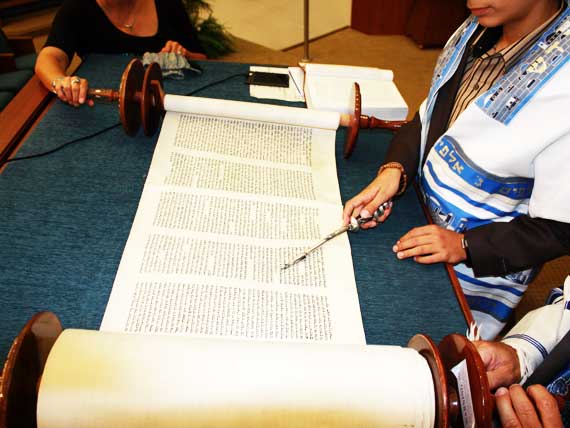
B’nai Mitzvah Program
Our B’nai Mitzvah program rigorously prepares boys and girls to become young adults in the community – teaching them skills to function with the life of the synagogue, and the values to be involved and contribute for the good of our larger community. Our Religious School prepares students for the B’nai Mitzvah program through its commitment to teaching Jewish liturgy, and our B’nai Mitzvah program builds upon that foundation, teaching students to chant both Torah and Haftarah.
At Ohr Shalom, we also work very hard with each family, creating a Bat/Bar Mitzvah experience that is appropriate for their child. Many families choose to celebrate on a Shabbat, while others choose to hold the simchah on a weekday. Our Rabbi works closely with each family to create a meaningful, loving observance of this joyful rite of passage.
All of our students work one-on-one with Rabbi Meltzer discussing what it means to become Bat/Bar Mitzvah, understanding their Torah and Haftarah portions, and exploring different understandings of living Jewishly. We also work very hard to incorporate our B’nai Mitzvah students into the daily and weekly prayer services at Ohr Shalom.
On almost any Shabbat, the students lead sections of our services. This allows them to acclimate to leading a service and speaking before an audience. It also helps to incorporate these wonderful children into the adult community. We marvel at the remarkable maturation and growth of our children from the beginning of the B’nai Mitzvah process to its culmination.
Bnai Mitzvah Siddur
| Torah Blessing Before & After | |||
| אֵין כָּמֽוֹךָ | Ein Kamokha | ||
| וַיְהִי בִּנְסֽוֹעַ הָאָרֹן | Vayehi Binsoa Aharon | ||
| שְׁמַע | Shema | ||
| בֵּהּ אֲנָא רָחֵיץ | Bey Ana Racheitz | ||
| לְךָ ה’ הַגְּדֻלָּה | Lekha Adoshem Hagedulah | ||
| וְאַתֶּם הַדְּבֵקִים | V’atem Had’veikim | N/A | |
| V’zot HaTorah | N/A | ||
| אַשְׁרֵי | Ahsrei | ||
| יְהַלְלוּ | Y’hal’lu | ||
| מִזְמוֹר לְדָוִד | Mizmor L’David | ||
| Eitz Chayim | |||
| חֲצִי קַדִּישׁ | Chatzi Kaddish | ||
| אַבוֹת | Avot | N/A | |
| גְּבוּרוֹת | Gevurot | ||
| קְדוּשָׁה | Kedushah (Musaf) | ||
| אֵין כֵּאלֹהֵֽינוּ | Ein Keloheinu | ||
| קַדִּישׁ שַׁלֵם | Kaddish Shaleim | ||
| עָלֵֽינוּ | Aleinu | ||
| אֲדוֹן עוֹלָם | Adon Olam | ||
| אַנְעִים זְמִירוֹת | Anim Z’mirot | ||
| לְכָה דוֹדִי | L’chah Dodi | ||
| בָּרְכוּ | Barchu | ||
| מַעֲרִיב עֲרָבִים | Maariv Aravim | ||
| אַהֲבַת עוֹלָם | Ahavat Olam | ||
| שְׁמַע/וְאָהַבְתָּ | Shema/V’ahavta | ||
| לְמַעַן תִּזְכְּרו | L’maan Tizk’ru | ||
| מִי כָמֹֽכָה | Mii Khamokhah | ||
| הַשְׁכִּיבֵֽנו | Hashkiveinu | ||
| וְשָׁמְרוּ | V’shamru | ||
| מִי שֶׁבֵּרַךְ | Mi Shebeirakh | ||
| וַיְכֻלּוּ | Vay’khulu | ||
| קוֹנֵה שָׁמַֽיִם וָאָֽרֶץ | Koneh Shamayim Va’aretz | ||
| מָגֵן אָבוֹת | Magein Avot | ||
| אֱלֹהֵֽינוּ וֵאלֹהֵי אֲבוֹתֵֽינוּ | Eloheinu V’Elohai Avoteinu | ||
| קִדוּשׁ | Kiddush | ||
| Haftarah – Before | |||
| Haftarah – After |